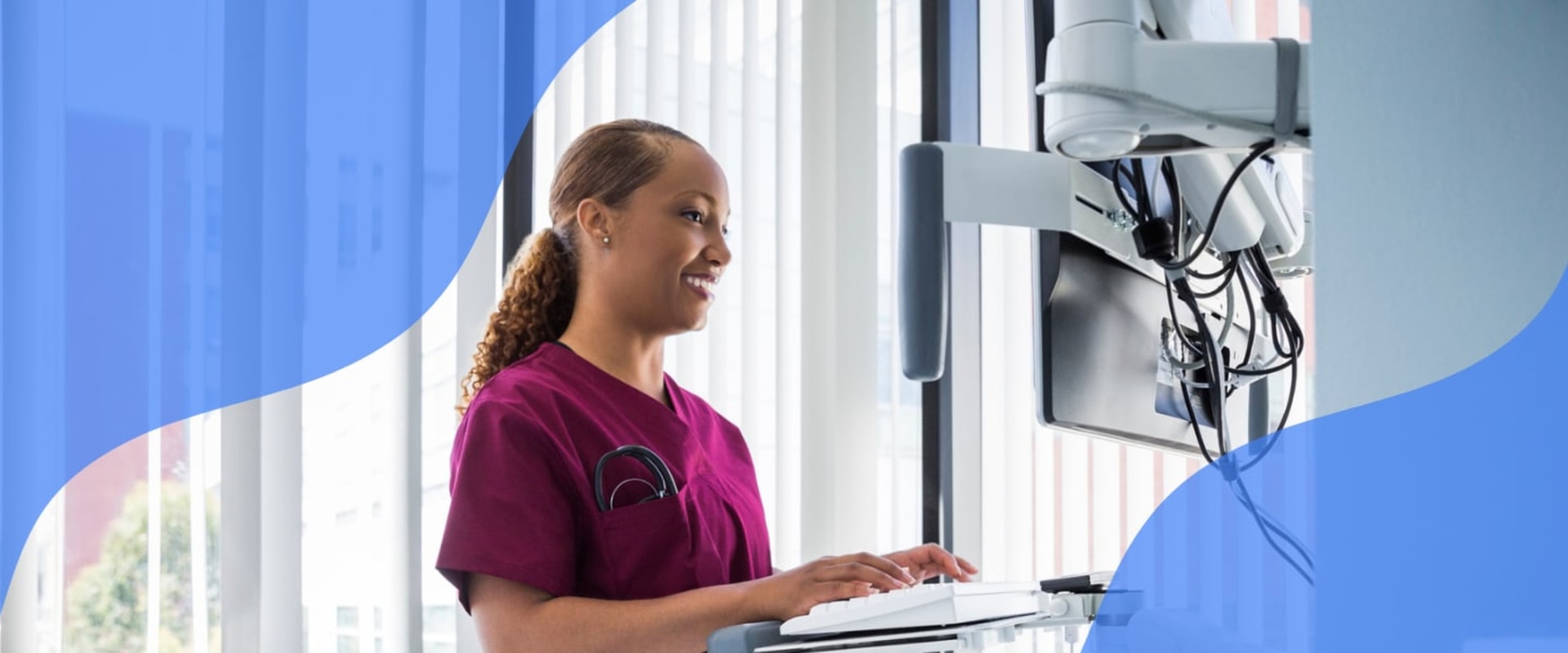
The landscape of healthcare is undergoing a profound transformation, driven largely by the rapid advancement of technology. In this dynamic environment, nurse competencynurse competency has emerged as a critical factor in ensuring high-quality patient care. As nurses navigate the complexities of modern healthcare systems, their ability to adapt to new technologies not only enhances their skill set but also directly impacts patient outcomes. Understanding the impact of technology on nurse competency is essential for both current practitioners and those entering the field. Technological innovations such as electronic health records (EHRs), telehealth services, and advanced medical devices have revolutionized nursing practices. is essential for both current practitioners and those entering the field. Technological innovations such as electronic health records (EHRs), telehealth services, and advanced medical devices have revolutionized nursing practices.
These tools enable nurses to access real-time patient data, streamline communication with other healthcare professionals, and improve the overall efficiency of care delivery. However, with these advancements come challenges that require nurses to continuously update their skills and knowledge. The integration of technology into nursing practice necessitates a commitment to lifelong learning and adaptability, which are key components of nurse competency . Moreover, the role of technology in nursing extends beyond mere task completion; it fosters a more collaborative approach to patient care. By utilizing digital platforms for patient education and engagement, nurses can empower patients to take an active role in their health management.
This shift not only enhances patient satisfaction but also reinforces the importance of nurse competency in navigating technological tools effectively. As we delve deeper into this topic, it becomes clear that the intersection of technology and nursing is not just a trend but a fundamental aspect of modern healthcare that shapes the future of nursing practice.
Understanding Nurse Competency
Nurse competency is a multifaceted concept that encompasses the knowledge, skills, and attitudes necessary for nurses to provide safe and effective patient care. It is not merely about having clinical skills; it also involves a deep understanding of ethical principles, effective communication, and the ability to adapt to various healthcare environments. In essence, nurse competency is the foundation upon which quality patient care is built.Definition of Nurse Competency
Nurse competency can be defined as the ability of a nurse to perform their duties effectively, demonstrating a combination of clinical expertise, critical thinking, and interpersonal skills. Nurse competency can be defined as the ability of a nurse to perform their duties effectively, demonstrating a combination of clinical expertise, critical thinking, and interpersonal skills.
This definition extends beyond technical abilities to include the capacity for ethical decision-making and professional behavior. Competent nurses are those who not only know how to perform procedures but also understand the rationale behind them and can apply their knowledge in real-world situations.
Importance of Nurse Competency
The importance of maintaining high levels of nurse competency cannot be overstated. Competent nurses are essential for ensuring patient safety and delivering high-quality care. When nurses possess the necessary skills and knowledge, they can:
- Identify patient needs accurately and respond appropriately.
- Communicate effectively with patients, families, and other healthcare professionals.
- Make informed decisions that enhance patient outcomes.
- Adapt to new technologies and practices in an ever-evolving healthcare landscape.
Patients are more likely to feel secure and cared for when they know their nurses are well-trained and knowledgeable.
Components of Nurse Competency
Nurse competency comprises several critical components:
- Clinical Skills: This includes hands-on abilities such as administering medications, performing assessments, and executing procedures safely and effectively.
- Communication Abilities: Effective communication is vital in nursing. Nurses must convey information clearly to patients and collaborate with other healthcare team members to ensure coordinated care.
- Critical Thinking: Nurses must analyze complex situations, evaluate evidence, and make sound judgments quickly. This skill is crucial in emergency situations where timely decisions can impact patient outcomes.
- Ethical Considerations: Nurses often face ethical dilemmas in their practice. Understanding ethical principles helps them navigate these challenges while advocating for their patients' best interests.
- Cultural Competence: In diverse healthcare settings, being culturally competent allows nurses to provide care that respects patients' values, beliefs, and needs.
By recognizing its definition, importance, and components, we can appreciate the critical role that competent nurses play in delivering exceptional patient care.
The Evolution of Technology in Nursing
The integration of technology into nursing has a rich history that reflects the broader evolution of healthcare practices. From the early days of nursing, where record-keeping was primarily manual and often prone to errors, to the sophisticated digital systems we see today, the journey has been marked by significant advancements that have transformed nursing practices. One of the most pivotal developments in this evolution is the introduction of Electronic Health Records (EHRs). Initially implemented in the late 20th century, EHRs revolutionized how patient information is documented and accessed. Nurses can now retrieve patient histories, medication lists, and treatment plans with just a few clicks.This accessibility not only enhances the accuracy of patient data but also facilitates better communication among healthcare providers, leading to improved patient outcomes. Another groundbreaking advancement is telehealth , which gained momentum in the early 2000s. Telehealth allows nurses to provide care remotely, breaking geographical barriers and making healthcare more accessible to patients in rural or underserved areas. Through video conferencing and remote monitoring tools, nurses can conduct assessments, follow-ups, and even education sessions without requiring patients to travel to a healthcare facility. This shift has not only improved patient engagement but has also allowed nurses to manage their time more effectively. In recent years, the rise of mobile health applications has further transformed nursing practices.
These applications empower patients to take an active role in their health management by providing tools for tracking symptoms, medications, and vital signs. Nurses can leverage these apps to monitor patient progress in real-time and adjust care plans accordingly. The ability to engage patients through technology fosters a collaborative approach to healthcare that enhances nurse competency. As we look back at the history of technology in nursing, it is clear that each advancement has played a crucial role in shaping modern nursing practices. The transition from paper-based systems to digital solutions has not only streamlined workflows but has also elevated the standard of care provided by nurses.
As technology continues to evolve, it will undoubtedly bring forth new opportunities and challenges that will further influence nurse competency and patient care.
Positive Impacts of Technology on Nurse Competency
The integration of technology in nursing has ushered in a new era of enhanced nurse competency, significantly improving the quality of care provided to patients. One of the most notable benefits is the improved access to patient data through electronic health records (EHRs). Nurses can now retrieve comprehensive patient histories, lab results, and medication lists at the click of a button. This immediate access allows for more informed decision-making, enabling nurses to tailor their care plans to meet individual patient needs effectively. Moreover, technology has revolutionized communication among healthcare providers.With tools such as secure messaging systems and telehealth platforms, nurses can collaborate seamlessly with physicians and specialists. This enhanced communication not only fosters a team-based approach to patient care but also ensures that critical information is shared promptly, reducing the risk of errors and improving overall patient outcomes. Another significant positive impact of technology on nurse competency is the advancement in patient education. Digital tools such as mobile health applications and patient portals empower nurses to provide patients with valuable resources and information about their health conditions. For instance, through these platforms, patients can access educational materials, track their symptoms, and communicate directly with their healthcare team.
This engagement not only enhances patients' understanding of their health but also encourages them to take an active role in managing their care. Furthermore, technology facilitates ongoing professional development for nurses. Online training modules and webinars allow nurses to stay current with the latest advancements in medical practices and technologies. This continuous learning is essential for maintaining high levels of This engagement not only enhances patients' understanding of their health but also encourages them to take an active role in managing their care. Furthermore, technology facilitates ongoing professional development for nurses. Online training modules and webinars allow nurses to stay current with the latest advancements in medical practices and technologies. This continuous learning is essential for maintaining high levels of nurse competency, as it equips nurses with the skills necessary to adapt to new tools and methodologies in patient care. In summary, the positive impacts of technology on nurse competency are profound. From improved access to vital patient information and enhanced communication among healthcare teams to better patient education and ongoing professional development, technology plays a crucial role in elevating nursing practice.
As nurses embrace these technological advancements, they are better positioned to deliver high-quality care that meets the evolving needs of patients.
Challenges Faced by Nurses in Adapting to Technology
As technology continues to evolve within the healthcare sector, nurses face a myriad of challenges when integrating these advancements into their daily practice. Understanding these challenges is crucial for developing effective strategies to enhance nurse competency and ensure high-quality patient care.Ongoing Training Requirements
One of the most significant barriers to adopting new technologies in nursing is the need for ongoing training. With the rapid pace of technological advancements, nurses must frequently update their skills and knowledge. This requirement can be overwhelming, especially for those who may already be managing heavy workloads.Training sessions often take time away from patient care, leading to potential gaps in service delivery.
- Time Constraints: Nurses often work long shifts, leaving little time for additional training. This can result in a reluctance to engage with new technologies.
- Diverse Learning Styles: Not all nurses learn in the same way; some may prefer hands-on training, while others might benefit from online modules. Tailoring training programs to accommodate different learning preferences is essential.
Technological Malfunctions
Another challenge that nurses encounter is the potential for technological malfunctions. When systems fail or experience downtime, it can disrupt patient care and create additional stress for nursing staff.Nurses must be equipped with the skills to troubleshoot these issues quickly and efficiently.
- Critical Thinking Skills: The ability to think critically and solve problems on the spot is vital when technology fails. Nurses must be trained not only in using technology but also in handling unexpected issues that arise.
- Backup Protocols: Establishing clear protocols for what to do in case of a technological failure can help mitigate risks and ensure continuity of care.
Information Overload
The integration of technology often leads to an overwhelming amount of data being presented to nurses. While access to real-time information can enhance decision-making, it can also result in information overload, making it challenging for nurses to prioritize tasks effectively.- Data Management Skills: Nurses need training not only on how to access data but also on how to interpret and manage it efficiently.
- Streamlined Communication: Implementing systems that streamline communication and reduce unnecessary data can help alleviate the burden of information overload.
The Role of Continuous Learning in Maintaining Nurse Competency
In the rapidly evolving landscape of healthcare, continuous learning has become an essential component for nurses striving to maintain their competency.As technology advances, the skills required to provide high-quality patient care are also changing. This necessitates a commitment to lifelong learning, ensuring that nurses are not only familiar with current practices but also prepared for future innovations.
The Importance of Continuous Learning for Nurses
Continuous learning is vital for several reasons:
- Adaptation to New Technologies: With the introduction of new medical devices, software, and treatment protocols, nurses must stay informed about the latest advancements. This knowledge enables them to utilize technology effectively, enhancing patient care.
- Improved Patient Outcomes: Ongoing education equips nurses with the latest evidence-based practices, which can lead to better patient outcomes. By understanding new research and methodologies, nurses can implement strategies that improve health results.
-
Professional Development: Engaging in continuous learning fosters career growth.
Nurses who pursue additional training and certifications often find more opportunities for advancement within their organizations.
Lifelong Learning in Nursing
Lifelong learning is not just a concept; it is a necessity in nursing. The healthcare field is dynamic, with new information emerging regularly. Nurses can engage in lifelong learning through various avenues:
- Formal Education: Pursuing advanced degrees such as a Bachelor of Science in Nursing (BSN) or a Master of Science in Nursing (MSN) can provide deeper knowledge and specialized skills.
- Workshops and Seminars: Attending workshops and seminars allows nurses to learn about specific topics or technologies directly from experts in the field.
- Online Courses: Many organizations offer online courses that provide flexibility for busy nurses. These courses can cover a wide range of topics, from clinical skills to leadership training.
-
Certification Programs: Obtaining certifications in specialized areas of nursing can enhance a nurse's expertise and credibility.
Certifications often require ongoing education to maintain, further encouraging continuous learning.
Training Programs for Nurses
Nursing organizations and healthcare facilities often provide training programs designed to enhance nurse competency. These programs may include:
- Orientation Programs: New nurses typically undergo orientation programs that familiarize them with hospital policies, procedures, and technologies.
- Simulation Training: Simulation-based training allows nurses to practice skills in a controlled environment, improving their confidence and competence before applying them in real-life situations.
- Mentorship Opportunities: Pairing less experienced nurses with seasoned professionals can facilitate knowledge transfer and skill development.
Case Studies: Successful Integration of Technology in Nursing Practice
In the evolving landscape of healthcare, numerous case studies exemplify the successful integration of technology in nursing practice, showcasing how these advancements have significantly enhanced nurse competency and improved patient outcomes.Case Study 1: Implementation of Electronic Health Records (EHR)
A prominent example can be found in a large urban hospital that transitioned from paper-based records to a comprehensive EHR system. This shift not only streamlined documentation processes but also provided nurses with immediate access to patient histories, medication lists, and lab results.
As a result, nurses reported a 30% reduction in time spent on documentation, allowing them to dedicate more time to direct patient care. Furthermore, the EHR system facilitated better communication among healthcare providers, leading to improved coordination of care and a notable decrease in medication errors.
Case Study 2: Telehealth Services
Another compelling case is that of a rural healthcare facility that adopted telehealth services to extend its reach to patients in remote areas. By utilizing video conferencing tools, nurses were able to conduct virtual consultations, follow-ups, and health education sessions. This technology not only enhanced nurse competency by equipping nurses with skills in digital communication but also empowered patients by providing them with timely access to healthcare services.
The facility reported a 40% increase in patient satisfaction scores and a significant improvement in chronic disease management outcomes.
Case Study 3: Mobile Health Applications
A community health organization implemented mobile health applications that allowed nurses to monitor patients' vital signs and medication adherence remotely. These applications provided real-time data analytics, enabling nurses to identify potential health issues before they escalated. The integration of this technology led to a 25% reduction in hospital readmissions for patients with chronic conditions, demonstrating how mobile health tools can enhance both nurse competency and patient safety.
Conclusion
These case studies illustrate that the thoughtful integration of technology into nursing practice not only enhances nurse competency but also leads to improved patient outcomes. As healthcare continues to evolve, embracing technological advancements will be crucial for nurses aiming to provide high-quality care.
Future Trends: The Next Frontier in Nursing Technology
As we look to the future, the landscape of nursing technology is poised for transformative changes that will significantly enhance nurse competency.Emerging technologies are not only reshaping how nurses deliver care but also how they acquire and refine their skills. Here are some key trends and innovations that are expected to play a pivotal role in the evolution of nursing practice.
Artificial Intelligence (AI) in Nursing
One of the most promising advancements is the integration of artificial intelligence into healthcare systems. AI can assist nurses in various ways, from automating routine tasks to providing decision support. For instance, AI algorithms can analyze patient data to identify potential health risks, enabling nurses to intervene proactively.This capability not only enhances patient safety but also allows nurses to focus on more complex aspects of care that require human empathy and critical thinking.
Virtual Reality (VR) Training Simulations
Another exciting trend is the use of virtual reality (VR) for training and education. VR simulations provide a safe and controlled environment for nurses to practice clinical skills without the risk of harming patients. These immersive experiences can replicate real-life scenarios, allowing nurses to hone their competencies in a variety of situations—from emergency response to patient communication. As VR technology becomes more accessible, it is likely to become a staple in nursing education.Predictive Analytics for Patient Care
Predictive analytics
is another emerging technology that holds great promise for nursing practice.
By leveraging vast amounts of patient data, predictive analytics can help nurses anticipate patient needs and outcomes. For example, algorithms can predict which patients are at risk for complications based on their medical history and current health status. This foresight enables nurses to implement preventive measures, ultimately improving patient outcomes and enhancing their own competency in managing complex cases.
The Role of Telehealth
The rise of telehealth services has also transformed nursing practice by expanding access to care. Nurses can now provide consultations and follow-ups remotely, which is particularly beneficial for patients in rural or underserved areas.This shift not only requires nurses to adapt their communication skills but also enhances their ability to utilize technology effectively in patient care. In conclusion, as these technologies continue to evolve, they will undoubtedly shape the future of nursing practice. Embracing these innovations will be essential for nurses aiming to maintain high levels of competency and deliver exceptional patient care in an increasingly digital world.
Conclusion
In summary, the integration of technology into nursing practice has profoundly influenced nurse competency and the overall quality of patient care. As we have explored throughout this article, the evolution of healthcare technology—from electronic health records (EHRs) to telehealth services—has transformed how nurses operate in clinical settings. This transformation not only enhances the efficiency of care delivery but also empowers nurses to make more informed decisions based on real-time data. However, it is essential to recognize that with these advancements come significant challenges.The necessity for ongoing training and education cannot be overstated. Nurses must continually update their skills to keep pace with new technologies, which can be both time-consuming and demanding. Moreover, the potential for technology failures necessitates a high level of critical thinking and problem-solving skills among nursing professionals. Despite these challenges, the benefits of embracing technology are clear. Enhanced communication among healthcare providers leads to better coordination of care, while tools like patient portals facilitate greater patient engagement and education.
This not only improves patient outcomes but also fosters a collaborative environment where patients feel empowered to take an active role in their health management. As we look to the future, it is crucial for nurses to commit to continuous learning. By staying abreast of technological advancements and being open to change, nurses can maintain their competency and adapt to the evolving landscape of healthcare. This commitment not only benefits individual nurses but also enhances the entire healthcare system, ultimately leading to improved patient care. In conclusion, the impact of technology on nurse competency is undeniable. It presents both opportunities and challenges that require a proactive approach from nursing professionals.
By embracing technology and prioritizing ongoing education, nurses can ensure they are equipped to provide the highest standard of care in an increasingly complex healthcare environment.