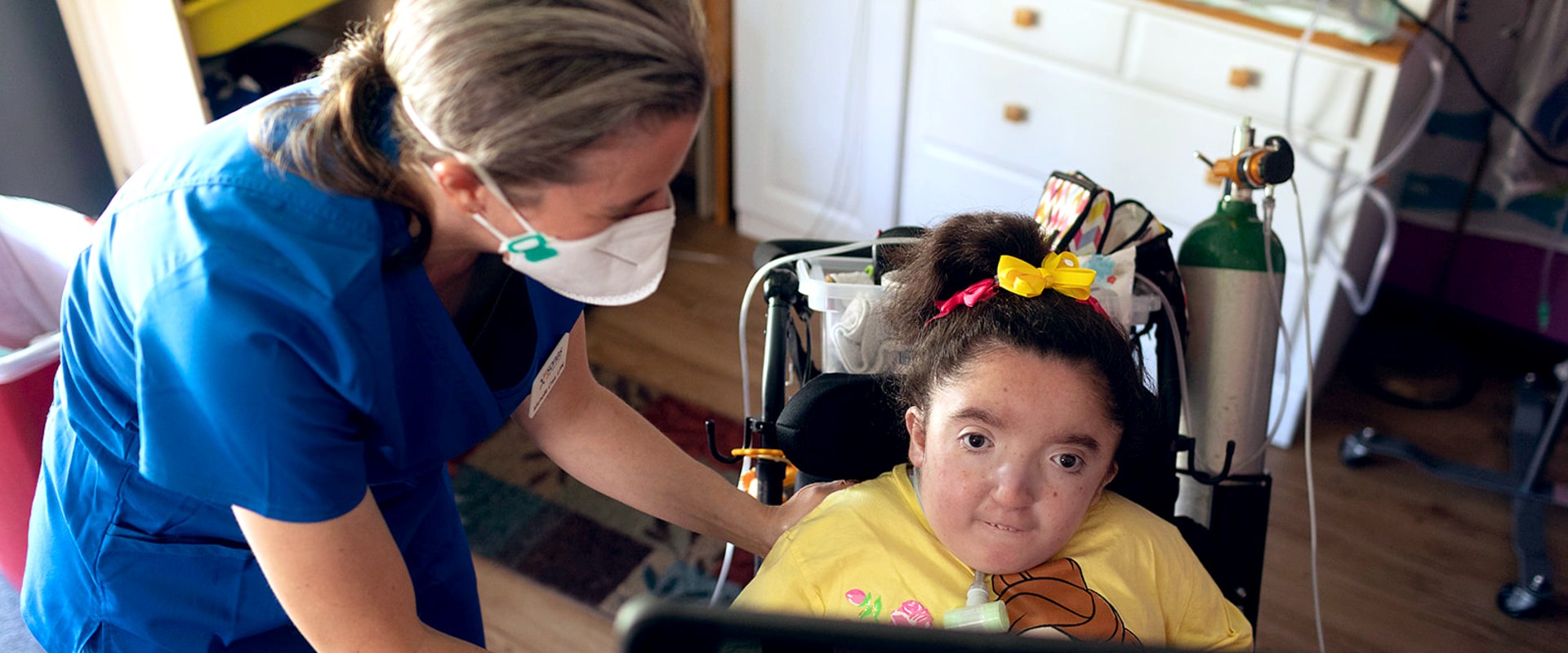
Nurse competency is a critical concept that encompasses a wide array of skills, knowledge, and attributes essential for delivering high-quality patient care. It is not merely a checklist of tasks or technical abilities; rather, it represents a holistic approach to nursing that integrates clinical expertise with interpersonal skills. The definition of Nurse competency is a critical concept that encompasses a wide array of skills, knowledge, and attributes essential for delivering high-quality patient care. It is not merely a checklist of tasks or technical abilities; rather, it represents a holistic approach to nursing that integrates clinical expertise with interpersonal skills. The definition of nurse competency extends beyond the ability to perform medical procedures; it includes the capacity to think critically, make sound judgments, and communicate effectively with patients and colleagues alike. At its core, nurse competency can be broken down into several key components. These include clinical skills, which involve the practical application of medical knowledge in patient care; critical thinking, which enables nurses to assess situations and make informed decisions; ethical practice, which guides nurses in navigating complex moral dilemmas; and communication skills, which are vital for fostering relationships with patients and ensuring accurate information exchange among healthcare teams. extends beyond the ability to perform medical procedures; it includes the capacity to think critically, make sound judgments, and communicate effectively with patients and colleagues alike. At its core, nurse competency can be broken down into several key components. These include clinical skills, which involve the practical application of medical knowledge in patient care; critical thinking, which enables nurses to assess situations and make informed decisions; ethical practice, which guides nurses in navigating complex moral dilemmas; and communication skills, which are vital for fostering relationships with patients and ensuring accurate information exchange among healthcare teams.
Each of these components plays a significant role in ensuring that nurses can provide safe and effective care. Understanding the multifaceted nature of nurse competency is essential for recognizing the challenges faced by nursing professionals today. As healthcare continues to evolve with advancements in technology and changes in patient demographics, the demand for competent nurses who can adapt to new situations and communicate effectively has never been greater. This complexity underscores the importance of ongoing education and training in all areas of nurse competency, particularly in communication skills, which serve as the backbone of effective nursing practice.
The Importance of Communication Skills in Nursing
Effective communication is a cornerstone of nursing practice, playing a pivotal role in ensuring patient safety, fostering trust, and enhancing the overall quality of care. Nurses are often the primary point of contact for patients within the healthcare system, making their ability to communicate clearly and compassionately essential. Effective communication is a cornerstone of nursing practice, playing a pivotal role in ensuring patient safety, fostering trust, and enhancing the overall quality of care. Nurses are often the primary point of contact for patients within the healthcare system, making their ability to communicate clearly and compassionately essential.Patient Safety
One of the most critical aspects of communication in nursing is its direct impact on patient safety.
Miscommunication can lead to medication errors, incorrect treatments, and adverse events. According to research published in the Journal of Patient Safety, communication failures are implicated in approximately 70% of sentinel events in healthcare settings. This statistic underscores the necessity for nurses to possess strong communication skills to convey vital information accurately and effectively.
Building Trust
Trust is fundamental in the nurse-patient relationship. When nurses communicate openly and empathetically, they create an environment where patients feel valued and understood.
This trust encourages patients to share their concerns and symptoms more freely, leading to better assessments and tailored care plans. A study conducted by the American Journal of Nursing found that patients who trust their nurses are more likely to adhere to treatment regimens and report higher satisfaction with their care.
Quality of Care
The quality of care provided by nurses is significantly influenced by their communication skills. Effective communication facilitates collaboration among healthcare teams, ensuring that all members are informed about patient needs and treatment plans. This collaborative approach not only enhances patient outcomes but also promotes a positive work environment for healthcare professionals.
Consequences of Poor Communication
- Increased Risk of Errors: Poor communication can lead to misunderstandings regarding medication dosages or treatment protocols.
- Patient Dissatisfaction: Patients who feel unheard or misunderstood may experience frustration, leading to lower satisfaction scores.
- Negative Health Outcomes: Ineffective communication can result in delayed diagnoses or inappropriate treatments, adversely affecting patient health.
By prioritizing effective communication, nurses can enhance patient safety, build trust, and improve the overall quality of care delivered in healthcare settings.
Communication Skills and Patient Interaction
Effective communication between nurses and patients is a cornerstone of quality healthcare. It not only enhances patient understanding but also fosters compliance with treatment plans. To achieve this, nurses must employ various techniques that promote active listening, empathy, and rapport-building.Active Listening
is a fundamental skill that involves fully concentrating on what the patient is saying rather than merely hearing their words. This can be achieved through:
- Maintaining Eye Contact: This shows the patient that you are engaged and interested in their concerns.
- Nodding and Using Verbal Affirmations: Simple gestures like nodding or saying "I see" can encourage patients to continue sharing their thoughts.
- Paraphrasing: Restating what the patient has said in your own words can confirm your understanding and clarify any misunderstandings.
By demonstrating empathy, nurses can create a safe space for patients to express their feelings and concerns. Techniques to enhance empathy include:
- Validating Feelings: Acknowledge the patient's emotions by saying things like, "It's understandable to feel anxious about your diagnosis." This helps patients feel heard and respected.
- Sharing Personal Experiences: When appropriate, sharing similar experiences can help patients feel less isolated in their struggles.
Building Rapport
with patients is essential for establishing trust, which is vital for effective communication. Here are some strategies to build rapport:
- Personalizing Interactions: Use the patient's name and ask about their interests or family to create a more personal connection.
- Being Approachable: A warm smile and open body language can make patients feel more comfortable approaching you with their concerns.
- Consistency: Regularly checking in with patients can reinforce trust and show that you genuinely care about their well-being.
The Role of Communication in Patient Education
Effective communication is a cornerstone of patient education, enabling nurses to convey essential information about health conditions, treatment options, and self-care strategies.The ability to communicate clearly and empathetically not only enhances patient understanding but also fosters a sense of trust and partnership between the nurse and the patient. When educating patients, nurses must prioritize clarity in their explanations. Medical terminology can often be complex and intimidating for patients who may not have a background in healthcare. Therefore, it is crucial for nurses to:
- Use simple language that avoids jargon.
- Break down complex concepts into manageable parts.
- Utilize analogies or examples that relate to the patient’s everyday experiences.
This two-way communication helps identify any gaps in knowledge and allows for tailored educational interventions. For instance, if a patient expresses confusion about their medication regimen, the nurse can take the time to clarify instructions and reinforce the importance of adherence.
Cultural Competence in Patient Education
Cultural competence plays an equally important role in effective patient education. Nurses must recognize that patients come from diverse backgrounds, each with unique beliefs, values, and health literacy levels. To effectively educate patients from various cultures, nurses should:- Be aware of cultural differences that may affect health perceptions and behaviors.
- Adapt communication styles to meet the needs of individual patients.
- Utilize interpreters or translation services when language barriers exist.
For example, a nurse working with a patient from a different cultural background might need to consider traditional healing practices or dietary restrictions when discussing treatment plans. In conclusion, the role of communication in patient education cannot be overstated. By employing clear explanations and demonstrating cultural competence, nurses can empower patients to take an active role in their healthcare journey. This not only enhances health literacy but also promotes adherence to treatment plans and improves overall patient satisfaction.
Teamwork and Collaboration: The Communication Connection
In the dynamic environment of healthcare, effective communication serves as the backbone of successful teamwork and collaboration among healthcare professionals. Nurses, physicians, therapists, and other members of the healthcare team must work in unison to ensure that patients receive comprehensive and coordinated care.This collaboration is not merely beneficial; it is essential for improving patient outcomes and enhancing the overall quality of care.
One of the primary ways that communication fosters teamwork is through the sharing of critical information. When nurses communicate effectively with their colleagues, they can relay important patient data, treatment plans, and any changes in a patient's condition. This exchange of information helps to create a shared understanding among team members, which is vital for making informed decisions regarding patient care.
Collaboration in healthcare
also involves recognizing the unique skills and expertise that each team member brings to the table. For instance, a nurse may have firsthand knowledge of a patient's preferences and responses to treatment, while a physician may provide insights based on clinical guidelines and research.
By fostering an environment where all voices are heard, teams can leverage their collective knowledge to devise more effective care strategies. Moreover, communication among healthcare professionals can significantly reduce the risk of errors. Misunderstandings or lack of information can lead to mistakes that jeopardize patient safety. Regular team meetings, briefings, and debriefings can facilitate open dialogue and ensure that everyone is on the same page regarding patient care protocols. Additionally, technology plays a crucial role in enhancing communication within healthcare teams. Electronic health records (EHRs) allow for real-time updates on patient status and treatment plans, enabling all team members to access vital information quickly.
However, it is essential to balance technology use with personal interactions to maintain strong interpersonal relationships among team members. In conclusion, effective communication is fundamental to fostering teamwork and collaboration in healthcare settings. By prioritizing clear communication channels and encouraging open dialogue among professionals, healthcare teams can work more cohesively to provide optimal patient care.
Developing Communication Skills in Nursing Education
In recent years, nursing education has increasingly recognized the critical importance of communication skills in enhancing nurse competency. As healthcare environments become more complex and patient-centered, nursing programs are adapting their curricula to ensure that future nurses are equipped with the necessary communication tools to excel in their roles. One of the primary methods for developing communication skills in nursing education is through the integration of simulation-based learning. This approach allows students to engage in realistic clinical scenarios where they must practice their communication skills with patients and healthcare teams.Simulations can range from role-playing exercises to high-fidelity simulations using mannequins that mimic real-life medical situations. These experiences provide students with a safe environment to hone their skills, receive feedback, and reflect on their performance. Additionally, nursing programs are incorporating interprofessional education (IPE) , which emphasizes collaboration among various healthcare disciplines. By working alongside students from other fields—such as medicine, pharmacy, and social work—nursing students learn how to communicate effectively within a team setting. This exposure not only enhances their ability to convey information clearly but also fosters an understanding of different professional perspectives, which is essential for holistic patient care. Another effective strategy is the inclusion of communication workshops within nursing curricula.
These workshops focus on specific aspects of communication, such as active listening, empathy, and cultural competence. Through interactive activities and guided discussions, students can practice these skills in a supportive environment. Instructors often use video recordings of student interactions to facilitate constructive feedback and self-assessment. Furthermore, mentorship programs play a vital role in developing communication skills among nursing students. Pairing students with experienced nurses allows for real-world learning opportunities where they can observe and practice effective communication techniques.
Mentors can provide invaluable insights into navigating challenging conversations with patients and families, thereby enhancing the student’s confidence and competence. In conclusion, the integration of diverse teaching methods—such as simulation-based learning, interprofessional education, targeted workshops, and mentorship—into nursing education is essential for developing strong communication skills. As nurses continue to be at the forefront of patient care, these competencies will not only improve individual nurse performance but also contribute significantly to overall patient outcomes.
The Impact of Technology on Nursing Communication Skills
In the modern healthcare landscape, technology has become an integral part of nursing practice, significantly influencing communication skills. The advent of electronic health records (EHRs), telehealth services, and various digital communication tools has transformed how nurses interact with patients and collaborate with other healthcare professionals.Benefits of Technology in Nursing Communication
- Enhanced Information Access: EHRs allow nurses to access patient information quickly and efficiently. This immediate access to medical histories, treatment plans, and medication records enables nurses to communicate more effectively with patients and other healthcare providers.
-
Improved Coordination of Care: Digital tools facilitate better collaboration among healthcare teams.
Nurses can share updates and insights in real-time, ensuring that all team members are informed about a patient’s condition and care plan.
- Telehealth Opportunities: Telehealth has expanded the reach of nursing care, allowing nurses to conduct virtual consultations. This is particularly beneficial for patients in remote areas or those with mobility issues, as it provides them with easier access to healthcare services.
Challenges Posed by Technology
- Communication Barriers: While technology can enhance communication, it can also create barriers. For instance, the reliance on digital platforms may lead to misunderstandings if nurses do not convey information clearly or if patients struggle with technology.
- Reduced Face-to-Face Interaction: The shift towards digital communication can diminish personal interactions between nurses and patients. This reduction in face-to-face contact may hinder the development of trust and rapport, which are essential for effective nursing care.
-
Technical Difficulties: Nurses may encounter technical issues that disrupt communication.
Problems such as software glitches or connectivity issues can lead to delays in patient care and frustration for both nurses and patients.
Overcoming Barriers to Effective Communication in Nursing
Effective communication is a cornerstone of nursing practice, yet numerous barriers can impede this vital process. Understanding these obstacles is essential for nurses aiming to enhance their interactions with patients and colleagues.Common Barriers to Communication
- Language Differences: In a diverse society, nurses often encounter patients who speak different languages or dialects. This can lead to misunderstandings and misinterpretations of medical information.
-
Cultural Differences: Cultural backgrounds influence how individuals communicate and perceive health care.
Nurses must be aware of cultural norms that may affect patient interactions.
- Emotional Barriers: Patients may experience fear, anxiety, or depression, which can hinder their ability to communicate effectively. Similarly, nurses dealing with their own stressors may find it challenging to engage empathetically.
- Environmental Factors: Noisy or chaotic settings, such as emergency rooms or busy wards, can disrupt communication. Distractions can prevent both nurses and patients from focusing on the conversation.
- Lack of Time: The fast-paced nature of healthcare often leaves nurses with limited time to spend with each patient, which can compromise the quality of communication.
Strategies for Overcoming Communication Challenges
- Utilize Interpreters: When language barriers exist, employing professional interpreters can facilitate clear communication and ensure that patients understand their health conditions and treatment options.
- Cultural Competence Training: Engaging in training programs focused on cultural awareness can help nurses better understand and respect the diverse backgrounds of their patients, leading to improved interactions.
- Active Listening Techniques: Nurses should practice active listening by giving full attention to patients, acknowledging their feelings, and responding appropriately. This fosters trust and encourages open dialogue.
- Create a Conducive Environment: Whenever possible, nurses should seek to minimize distractions by finding quieter spaces for discussions, allowing for more focused and meaningful conversations.
- Time Management Skills: Prioritizing tasks and managing time effectively can help nurses allocate sufficient time for patient interactions without feeling rushed.
This not only enhances patient satisfaction but also contributes to better health outcomes and overall nurse competency.
Conclusion: The Indispensable Role of Communication Skills in Nurse Competency
In summary, the significance of communication skills in enhancing nurse competency cannot be overstated. Throughout this article, we have explored various dimensions of how effective communication is intertwined with the core competencies required for nursing practice. From establishing trust with patients to ensuring safety in healthcare settings, the ability to communicate clearly and empathetically is fundamental. First and foremost, strong communication skills facilitate better patient outcomes. Nurses who can articulate complex medical information in an understandable manner empower patients to take an active role in their own care.This not only enhances patient satisfaction but also promotes adherence to treatment plans, ultimately leading to improved health results. Moreover, the role of communication extends beyond patient interactions. It is essential for fostering teamwork and collaboration among healthcare professionals. In high-pressure environments such as emergency rooms or intensive care units, effective communication can be the difference between life and death. Misunderstandings or lack of information can lead to critical errors; thus, nurses must be adept at sharing vital information with colleagues and other healthcare providers. Additionally, as healthcare continues to evolve with technological advancements, nurses must navigate new communication tools while maintaining personal connections with patients.
The balance between utilizing technology and engaging in face-to-face interactions is crucial for preserving the human element of care. In conclusion, the integration of strong communication skills into nursing education and practice is imperative for developing competent nurses who can meet the challenges of modern healthcare. As we move forward, it is essential for nursing programs to prioritize these skills through training and mentorship opportunities. By doing so, we can ensure that nurses are not only skilled practitioners but also effective communicators who contribute significantly to patient care and safety.