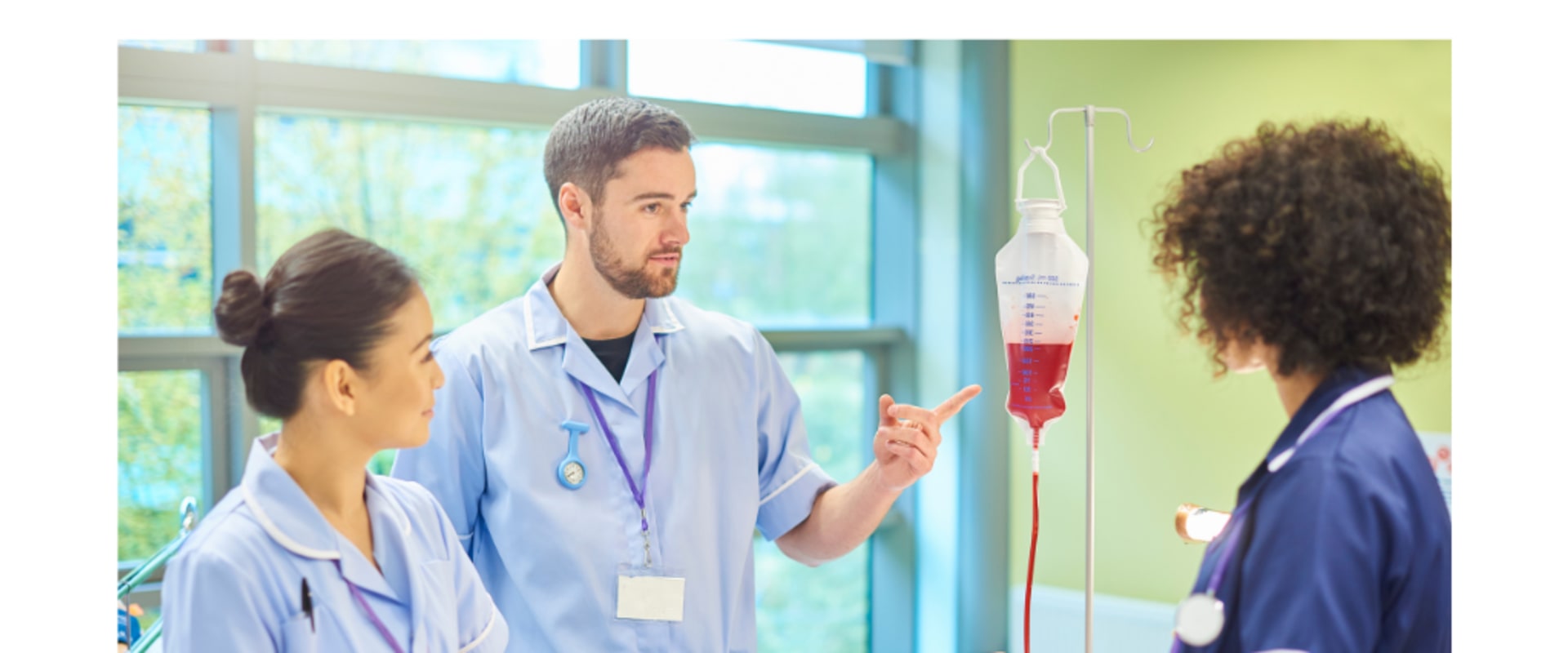
Nurse competency is a multifaceted concept that encompasses the essential skills, knowledge, and attitudes required for nurses to deliver high-quality patient care. It is not merely about possessing clinical skills; rather, it involves a comprehensive understanding of various nursing domains, including clinical judgment, communication, leadership, and ethical practice. In an ever-evolving healthcare landscape, where patient needs are increasingly complex, the significance of Nurse competency is a multifaceted concept that encompasses the essential skills, knowledge, and attitudes required for nurses to deliver high-quality patient care. It is not merely about possessing clinical skills; rather, it involves a comprehensive understanding of various nursing domains, including clinical judgment, communication, leadership, and ethical practice. In an ever-evolving healthcare landscape, where patient needs are increasingly complex, the significance of is a multifaceted concept that encompasses the essential skills, knowledge, and attitudes required for nurses to deliver high-quality patient care. It is not merely about possessing clinical skills; rather, it involves a comprehensive understanding of various nursing domains, including clinical judgment, communication, leadership, and ethical practice. In an ever-evolving healthcare landscape, where patient needs are increasingly complex, the significance of Nurse competency is a multifaceted concept that encompasses the essential skills, knowledge, and attitudes required for nurses to deliver high-quality patient care. It is not merely about possessing clinical skills; rather, it involves a comprehensive understanding of various nursing domains, including clinical judgment, communication, leadership, and ethical practice. In an ever-evolving healthcare landscape, where patient needs are increasingly complex, the significance of nurse competency cannot be overstated. Competent nurses are pivotal in ensuring patient safety, enhancing care quality, and improving health outcomes. The importance of nurse competency extends beyond individual performance; it has profound implications for healthcare systems as a whole.
When nurses are equipped with the necessary competencies, they can effectively collaborate with interdisciplinary teams, manage patient care efficiently, and adapt to rapidly changing clinical environments. This adaptability is crucial in today’s healthcare settings, where technological advancements and new treatment modalities continuously reshape the way care is delivered. Furthermore, competent nurses contribute to a positive work environment, fostering teamwork and reducing burnout among healthcare professionals. To fully grasp the concept of nurse competency, it is essential to recognize the various skills involved. These include not only technical abilities such as administering medications or performing procedures but also soft skills like effective communication and empathy. When nurses are equipped with the necessary competencies, they can effectively collaborate with interdisciplinary teams, manage patient care efficiently, and adapt to rapidly changing clinical environments. This adaptability is crucial in today’s healthcare settings, where technological advancements and new treatment modalities continuously reshape the way care is delivered. Furthermore, competent nurses contribute to a positive work environment, fostering teamwork and reducing burnout among healthcare professionals. To fully grasp the concept of nurse competency, it is essential to recognize the various skills involved. These include not only technical abilities such as administering medications or performing procedures but also soft skills like effective communication and empathy.
Nurses must be adept at assessing patient needs, developing care plans, and educating patients and their families about health management. Additionally, critical thinking and problem-solving skills are vital for making informed decisions in high-pressure situations. As we delve deeper into the role of simulation in developing and assessing these competencies, it becomes clear that a robust framework for nurse competency is fundamental to achieving excellence in patient care. Nurses must be adept at assessing patient needs, developing care plans, and educating patients and their families about health management. Additionally, critical thinking and problem-solving skills are vital for making informed decisions in high-pressure situations. As we delve deeper into the role of simulation in developing and assessing these competencies, it becomes clear that a robust framework for nurse competency is fundamental to achieving excellence in patient care.
The Importance of Nurse Competency in Healthcare
Nurse competency is a cornerstone of effective healthcare delivery, directly influencing patient safety and the quality of care provided. In an era where healthcare systems are increasingly complex, the role of nurses has evolved significantly, necessitating a robust set of competencies that extend beyond basic clinical skills.Patient Safety
At the heart of nursing practice lies the imperative to ensure patient safety.
Competent nurses are equipped with the knowledge and skills necessary to identify potential risks and mitigate them effectively. This includes:
- Assessment Skills: Competent nurses possess strong assessment skills that enable them to recognize changes in a patient's condition promptly. This early detection can be critical in preventing adverse events.
- Medication Management: Understanding pharmacology and the implications of medication administration is vital. Competent nurses ensure that medications are administered correctly, reducing the risk of medication errors.
- Infection Control: Knowledge of infection prevention protocols is essential in safeguarding patients from hospital-acquired infections, which can lead to severe complications.
Quality Care
The quality of care delivered by nurses significantly impacts patient outcomes.
Research consistently shows that higher levels of nurse competency correlate with improved health outcomes, including reduced mortality rates and shorter hospital stays. Competent nurses contribute to quality care through:
- Effective Communication: Clear communication with patients and interdisciplinary teams fosters collaboration and ensures that care plans are understood and followed.
- Patient Education: Educating patients about their conditions and treatment options empowers them to take an active role in their healthcare, leading to better adherence to treatment regimens.
- Crisis Management: In high-pressure situations, competent nurses can make swift decisions that prioritize patient welfare, demonstrating leadership and critical thinking skills.
Challenges in Developing Nurse Competency
Developing nurse competency is a multifaceted challenge that encompasses various aspects of nursing education, skill development, and the complexities of modern healthcare environments. Developing nurse competency is a multifaceted challenge that encompasses various aspects of nursing education, skill development, and the complexities of modern healthcare environments.As the healthcare landscape evolves, nurses face increasing demands that require them to adapt and grow continuously. Below are some of the primary challenges encountered in this critical area.
Complex Healthcare Environments
Today's healthcare settings are characterized by rapid technological advancements, diverse patient populations, and intricate care protocols. Nurses must navigate these complexities while ensuring patient safety and delivering high-quality care. The fast-paced nature of healthcare can lead to overwhelming situations where nurses may struggle to apply their knowledge effectively.This environment necessitates a robust framework for developing competencies that can keep pace with these changes.
Continuous Education and Training
Another significant challenge in developing nurse competency is the need for ongoing education and training. With new treatments, technologies, and best practices emerging regularly, nurses must engage in lifelong learning to maintain their skills and knowledge. However, balancing work responsibilities with educational pursuits can be daunting. Many nurses find it challenging to allocate time for professional development amidst their demanding schedules.Variability in Educational Standards
The inconsistency in educational standards across nursing programs can also hinder the development of nurse competency.Different institutions may have varying curricula, teaching methodologies, and assessment techniques, leading to disparities in the competencies of graduating nurses. This variability can create gaps in essential skills and knowledge, making it difficult for new nurses to transition effectively into clinical practice.
Emotional and Psychological Factors
Nursing is not only a physically demanding profession but also an emotionally taxing one. The stress associated with patient care, coupled with the emotional toll of dealing with illness and loss, can impact a nurse's ability to perform competently. Addressing these emotional and psychological factors is crucial for fostering resilience and ensuring that nurses can maintain their competency levels over time. In conclusion, while the journey toward developing nurse competency is fraught with challenges, recognizing these obstacles is the first step toward creating effective solutions.By addressing the complexities of healthcare environments, emphasizing continuous education, standardizing nursing education, and supporting nurses' emotional well-being, we can enhance the overall competency of nursing professionals.
Simulation as a Tool for Developing Nurse Competency
Simulation has emerged as a transformative approach in nursing education, providing a dynamic platform for developing essential nurse competency. By creating realistic clinical scenarios, simulation allows nursing students to engage in hands-on practice that closely mirrors real-life situations. This method not only enhances clinical skills but also fosters critical thinking and decision-making abilities, which are vital in the fast-paced healthcare environment. One of the primary benefits of simulation in nursing education is its ability to create a safe learning environment. In this controlled setting, students can make mistakes without jeopardizing patient safety.This freedom encourages exploration and experimentation, allowing nurses to refine their skills through repeated practice. For instance, a student may practice administering medications or performing complex procedures multiple times until they achieve proficiency. Moreover, simulation can be tailored to address specific learning objectives. Various techniques are employed to enhance the educational experience:
- High-Fidelity Simulations: These involve advanced mannequins that can mimic real patient responses, providing a realistic experience for students. They can simulate vital signs, breathing patterns, and even vocal responses, allowing nurses to practice assessment and intervention skills in a lifelike context.
-
Standardized Patients: Trained actors portray patients with specific conditions, enabling students to practice communication and interpersonal skills.
This method emphasizes the importance of empathy and patient-centered care.
- Virtual Simulations: With advancements in technology, virtual simulations offer immersive experiences where students can interact with digital patients. This approach is particularly beneficial for remote learning environments.
This reflective practice is critical for identifying areas of improvement and reinforcing learning outcomes. By analyzing their actions and decisions during simulations, nurses can develop a deeper understanding of their competencies and areas needing enhancement. In conclusion, simulation serves as an invaluable tool in nursing education by effectively developing nurse competency. Through various techniques that promote hands-on experience and critical reflection, simulation prepares future nurses to meet the challenges of modern healthcare with confidence and skill.
Types of Simulation Used in Nursing Education
In the realm of nursing education, various types of simulation are employed to enhance the learning experience and develop essential nurse competencies. Each type of simulation offers unique benefits and opportunities for skill development, ensuring that nursing students are well-prepared for real-world clinical situations.Below are some of the most prominent types of simulation used in nursing education:
- High-Fidelity Simulation: This type of simulation utilizes advanced technology to create realistic clinical scenarios. High-fidelity manikins can mimic human responses, including vital signs, breathing patterns, and even vocalizations. These simulations allow nursing students to practice complex procedures in a safe environment, enabling them to develop critical thinking and decision-making skills. For instance, students can engage in scenarios involving cardiac arrest or trauma care, where they must assess the situation and respond appropriately.
-
Virtual Reality (VR) Simulation: VR technology is increasingly being integrated into nursing education.
It provides an immersive experience where students can interact with a 3D environment that replicates clinical settings. Through VR simulations, nurses can practice skills such as patient assessment, medication administration, and emergency response without the risk of harming real patients. This technology not only enhances engagement but also allows for repeated practice in a controlled setting.
-
Standardized Patients: Standardized patients are trained actors who simulate real patients in a clinical setting. This method allows nursing students to practice their communication and interpersonal skills while conducting assessments and providing care.
Interacting with standardized patients helps students learn how to build rapport, gather patient histories, and deliver difficult news—all crucial components of effective nursing practice.
- Low-Fidelity Simulation: While not as technologically advanced as high-fidelity simulations, low-fidelity simulations still play a vital role in nursing education. These may include role-playing exercises or the use of simple manikins for basic skill practice. Low-fidelity simulations are particularly useful for teaching foundational skills such as handwashing, basic assessments, and fundamental communication techniques.
Assessing Nurse Competency Through Simulation
Assessing nurse competency is a critical component of nursing education and practice, ensuring that nurses are equipped with the necessary skills and knowledge to provide high-quality patient care.Traditional assessment methods, such as written exams and skills checklists, often fall short in accurately reflecting a nurse's ability to perform in real-world scenarios. This is where simulation comes into play, offering a dynamic and immersive approach to competency evaluation. Simulation assessment methods allow for a more comprehensive evaluation of nurse competency by replicating real-life clinical situations in a controlled environment. This approach not only tests clinical skills but also evaluates critical thinking, decision-making, and interpersonal communication abilities. Here are some key advantages of using simulation for assessing nurse competency:
-
Realistic Scenarios: Simulation provides nurses with the opportunity to engage in realistic patient care scenarios that mimic the complexities of actual clinical settings.
This realism helps assess how nurses respond to various situations, including emergencies.
- Immediate Feedback: During simulation exercises, instructors can observe nurses in action and provide immediate feedback on their performance. This instant evaluation helps identify areas for improvement and reinforces learning.
- Safe Learning Environment: Simulation allows nurses to practice their skills without the risk of harming real patients. This safety encourages learners to take risks and make mistakes, which are essential for growth and development.
- Teamwork Assessment: Many simulations involve interdisciplinary teams, allowing for the assessment of teamwork and collaboration skills. Evaluating how nurses communicate and work with other healthcare professionals is crucial for effective patient care.
-
Standardized Evaluation: Simulation assessments can be standardized across different nursing programs, ensuring consistency in evaluating competencies.
This standardization helps maintain high educational standards within the nursing profession.
Feedback and Improvement: The Role of Simulation in Competency Assessment
In the realm of nursing education, feedback plays a pivotal role in shaping the competencies of future nurses. Simulation assessments provide a unique opportunity for instructors to observe nursing students in action, allowing for real-time evaluations that are both comprehensive and constructive. This feedback is essential not only for recognizing strengths but also for identifying specific areas where improvement is needed. One of the most significant advantages of simulation-based assessments is their ability to highlight competency gaps.During a simulated scenario, instructors can assess various skills, including clinical judgment, communication, and teamwork. For instance, if a student struggles with effective communication during a simulation involving a multidisciplinary team, this can be flagged as an area requiring further development. Instructors can then provide targeted feedback that addresses these specific challenges. Moreover, the feedback process is not merely about pointing out deficiencies; it also involves guiding students on how to improve. After a simulation exercise, instructors can engage in debriefing sessions where they discuss the performance with the students.
This dialogue allows students to reflect on their actions and decisions, fostering a deeper understanding of their practice. Instructors can offer strategies and resources tailored to each student's needs, ensuring that the education provided is relevant and impactful. Additionally, simulation assessments can be designed to focus on particular competencies that are critical in nursing practice. For example, if a student demonstrates difficulty in managing patient care under pressure, simulations can be adjusted to create high-stress scenarios that mimic real-life situations. This targeted approach not only helps in honing specific skills but also builds confidence as students learn to navigate challenging circumstances. Furthermore, ongoing feedback from simulation assessments contributes to a culture of continuous improvement within nursing education programs.
By regularly evaluating student performance and adjusting curricula based on assessment results, educational institutions can ensure that their programs remain aligned with current healthcare standards and practices. This adaptability is crucial in preparing nurses who are competent and capable of meeting the evolving demands of the healthcare landscape. In conclusion, the role of feedback derived from simulation assessments cannot be overstated. It serves as a vital tool for identifying areas for improvement , guiding targeted education efforts, and ultimately enhancing nurse competency. By leveraging this feedback effectively, nursing educators can cultivate skilled professionals who are well-prepared to deliver high-quality patient care.
The Future of Simulation in Nursing Education and Competency Assessment
The landscape of nursing education is undergoing a significant transformation, driven by advancements in technology and innovative teaching methodologies.As we look to the future, the role of simulation in developing nurse competency is set to expand dramatically, incorporating cutting-edge tools that enhance learning experiences and outcomes. One of the most promising developments is the integration of augmented reality (AR) and virtual reality (VR)) into nursing simulations. These technologies create immersive environments where nursing students can engage in realistic scenarios that mimic real-life clinical situations. For instance, AR can overlay digital information onto physical environments, allowing students to visualize complex anatomical structures or patient conditions in real-time. This interactive approach not only enhances understanding but also fosters critical thinking and decision-making skills essential for effective nursing practice. Moreover, the use of artificial intelligence (AI) in simulation training is gaining traction.
AI-driven simulations can adapt to the learner's performance, providing personalized feedback and adjusting scenarios based on individual skill levels. This tailored approach ensures that each student receives the support they need to develop their competencies effectively. Additionally, AI can analyze data from simulations to identify common areas where students struggle, enabling educators to refine curricula and focus on specific competencies that require more attention. Another trend shaping the future of simulation in nursing education is the emphasis on interprofessional education (IPE). As healthcare becomes increasingly collaborative, simulations that involve multiple healthcare disciplines are essential.
By working alongside medical students, pharmacy students, and other healthcare professionals in simulated environments, nursing students can develop teamwork and communication skills vital for patient-centered care. Furthermore, the COVID-19 pandemic has accelerated the adoption of remote simulation technologies. Online platforms now allow nursing students to participate in simulations from their homes or remote locations, ensuring continuity of education even during challenging times. This flexibility not only broadens access to training but also prepares nurses for telehealth scenarios that are becoming more prevalent in modern healthcare. In conclusion, the future of simulation in nursing education is bright and filled with potential. As technologies like AR, VR, AI, and remote learning continue to evolve, they will play a crucial role in enhancing nurse competency development.
By embracing these innovations, nursing programs can ensure that graduates are well-equipped to meet the demands of an ever-changing healthcare landscape.
Conclusion: The Integral Role of Simulation in Nursing Competency Development
In summary, the role of simulation in the development and assessment of nurse competency cannot be overstated. As the healthcare landscape continues to evolve, the need for nurses to possess a diverse set of competencies becomes increasingly critical. Simulation offers a unique and effective approach to equip nursing professionals with the necessary skills and knowledge to excel in their roles. Throughout this article, we have explored how simulation serves as a powerful educational tool that not only enhances clinical skills but also fosters essential soft skills such as communication, teamwork, and leadership. By immersing nursing students and professionals in realistic scenarios, simulation creates a safe environment where they can practice and refine their abilities without jeopardizing patient safety. Moreover, the assessment of nurse competency through simulation provides a more accurate reflection of a nurse's capabilities compared to traditional evaluation methods.Observations made during simulated scenarios allow instructors to offer targeted feedback, helping nurses identify areas for improvement and further development. This tailored approach ensures that nurses are not only competent in theory but also proficient in practical applications. The integration of advanced technologies such as virtual reality and augmented reality into simulation training is paving the way for even more immersive learning experiences. These innovations promise to enhance the realism of simulations, thereby better preparing nurses for the complexities they will face in real-world settings. As we look to the future, it is clear that simulation will continue to play an integral role in nursing education and competency assessment. The ongoing challenges posed by situations like the COVID-19 pandemic have underscored the necessity of simulation as a vital component of nursing training.
By embracing this innovative approach, we can ensure that nurses are well-prepared to deliver high-quality patient care in an ever-changing healthcare environment.